
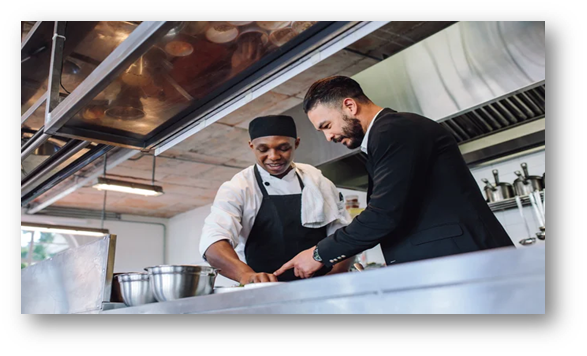
The Best Practices for Managing a Killer Kitchen Staff
Running a catering service, restaurant, or hotel kitchen comes with the joy of seeing satisfied customers and bustling tables. This satisfaction hinges on the safe, seamless, and productive performance of your kitchen staff.
While optimizing kitchen staff management can seem daunting, mastering this skill is achievable with the right guidance. Today, we’ll provide invaluable insights and proven practices to enhance your expertise in managing kitchen teams effectively.
How Do I Effectively Manage My Staff?
To effectively manage kitchen staff, essential attributes include strong communication skills, robust leadership capabilities, and acute attention to detail. While mastering these qualities can be challenging, here are actionable tips for kitchen managers:
Keep Your Staff Motivated
Kitchen work can feel repetitive and boring at times. Therefore, it is crucial to keep your staff motivated, and there are various ways to do that:
• Show Appreciation: Showing appreciation for your staff’s efforts is crucial for maintaining motivation and fostering a positive work environment. This not only encourages and motivates them but also increases retention rates. Conversely, a lack of appreciation can lead to demotivation, causing employees to lose interest in their work and reasons to stay.
• Offer Incentives: Appreciating your staff’s efforts is essential, but it’s equally important to reward them. Rewards can range from simple gestures like movie tickets or allowing early finishing times. Encouraging team nominations for the most deserving employee fosters a sense of teamwork and recognition within your kitchen staff.
• Well-Deserved Promotions: Not everyone can afford expensive incentives, so rewarding employees through well-deserved promotions is another effective way to show appreciation. Regular promotions can also motivate team members and contribute to a positive working environment.
Create A Supportive And Positive Work Environment
Creating a supportive working environment for your staff is essential in today’s fast-paced and high-pressure setting. Not only does it benefit the well-being of your kitchen staff, but it also contributes to the overall progress of your restaurant.
To foster a supportive environment, it’s crucial to proactively address conflicts and bravely confront challenges. Taking preventive measures for future conflicts is equally important.
Implementing an open-door policy where team members can easily approach the manager to discuss concerns in a friendly environment is considered a best practice. Additionally, providing training to staff on effective conflict resolution helps navigate disagreements efficiently.
Regularly checking on your team members is crucial to identifying and addressing potential issues before they escalate into major obstacles. This proactive approach promotes a problem-solving culture, where challenges are seen as opportunities for growth.
By fostering a harmonious working environment in your kitchen, you encourage your staff to view challenges positively and develop their problem-solving skills. This not only improves teamwork but also contributes to the overall success and productivity of your restaurant.
Good Scheduling Practices
Good scheduling practices are essential for the smooth operation of your kitchen. Implementing effective time management not only ensures productivity but also contributes to the well-being of your valuable kitchen staff. Here’s how you can achieve this:
• Set Realistic and Effective Working Hours: Designing working schedules according to your kitchen’s needs and staff preferences is crucial, although it’s not an easy task. Start by understanding each team member’s unique strengths, skills, and availability. This information will guide you in creating schedules that align with your kitchen’s requirements while considering the well-being and productivity of your staff.
Ensure that each team member has sufficient preparation time before services commence. Additionally, they should be fully aware of their roles and responsibilities for the day.
• Rotating Shifts: Implementing different working shifts for your staff is a highly effective practice with clear benefits. This approach allows both new and senior staff members to find the most suitable working hours or shifts, enhancing their productivity and job satisfaction.
Moreover, varying shifts entail different responsibilities, particularly during opening and closing hours. By training all staff members for various situations, you can ensure they are prepared to handle emergencies effectively. This flexibility and preparedness contribute significantly to the smooth operation of your kitchen.
• Offer Flexibility: Offering a flexible working schedule allows employees to maintain a healthier work-life balance, which directly impacts their overall performance. This approach not only enhances their mental well-being and prevents burnout but also reduces work-related stress. As a result, employees feel more motivated and are able to maintain higher levels of productivity.
Communicate Effectively
To ensure smooth operations, it’s crucial to stay connected with your kitchen staff, offer clear instructions, and keep them well-informed. Here are effective ways to communicate with your kitchen team:
• Establishing Open Lines Of Communication: In a fast-paced kitchen environment prioritizing coordination and precision, strive to establish a culture of open communication. This involves breaking down hierarchical barriers and encouraging team members to freely express their thoughts and feelings.
Additionally, consider implementing an open-door policy where staff can approach management with ideas or feedback without hesitation. This collaborative approach not only makes everyone feel valued but also fosters transparency within the team.
• Clear Communication & Delegation: Equally vital is clearly defining the roles and responsibilities of every team member. This clarity ensures each understands their impact on the kitchen’s success.
Establishing Standard Operating Procedures (SOPs) and guidelines is crucial for maintaining food quality and consistency in dish preparation. Foster a sense of accountability among your staff to uphold these standards effectively.
• Conduct Meetings Regularly: Regular meetings play a crucial role in fostering effective communication within the kitchen. These gatherings facilitate the seamless transmission of vital information, the resolution of concerns, and updates about menu changes and upcoming events.
What makes these meetings invaluable is the opportunity they provide for staff members to share their insights freely, promoting a sense of unity and collaboration. It’s important to appreciate and encourage positive participation during these sessions, creating a forum where every voice is valued and heard.
5. Involve Your Staff In Decision Making Processes: Whenever making decisions, it’s essential to engage with your kitchen staff and wholeheartedly welcome their opinions and ideas. Here are several practices that can greatly aid in this regard:
- Brainstorm Kitchen Ideas: When considering new kitchen recipes or additions to the menu, involve your kitchen staff in brainstorming sessions. Collaborating with them in this way can lead to effective and innovative ideas.
- Explore New Kitchen Trends: Keeping pace with culinary trends is crucial. Encourage your kitchen staff to experiment with new ingredient combinations and cooking techniques. This collaborative effort can result in exciting new dishes that enhance your menu’s appeal.
Unlocking creativity and involving your team in your initiatives can lead to distinctive kitchen concepts, setting your restaurant apart from competitors who don’t utilize the minds of many!
Keep Calm Under Pressure
Managing a kitchen can be stressful, but staying calm is key to effective operations. Here’s how to handle pressure:
- Stay Focused: Avoid getting distracted by issues or conflicts; they’ll be resolved.
- Make A Plan: Efficiently resolve issues with a well-thought-out plan. Take charge of every situation and don’t leave it up to someone else to figure it out.
- Take Deep Breaths: Stay composed by taking deep breaths to focus on tasks. Trust us, this helps a lot more than you think.
Use Software to Hold Your Team Accountable
The good news is, there are software solutions that make holding your staff accountable a breeze. Modeeri is the #1 best solution to streamline your entire kitchen operations and make sure that you achieve consistent results, day in and day out.
Modeeri was built by kitchen operators, for kitchen operators. With battle-tested features ranging from checklist management, incident logging & resolution, production planning, kitchen auditing, employee evaluations, document storage, training, onboarding, and much more, your staff gets things done just like when you’re there, even when you’re not. Try Modeeri for free or learn more today! Happy Cooking!