
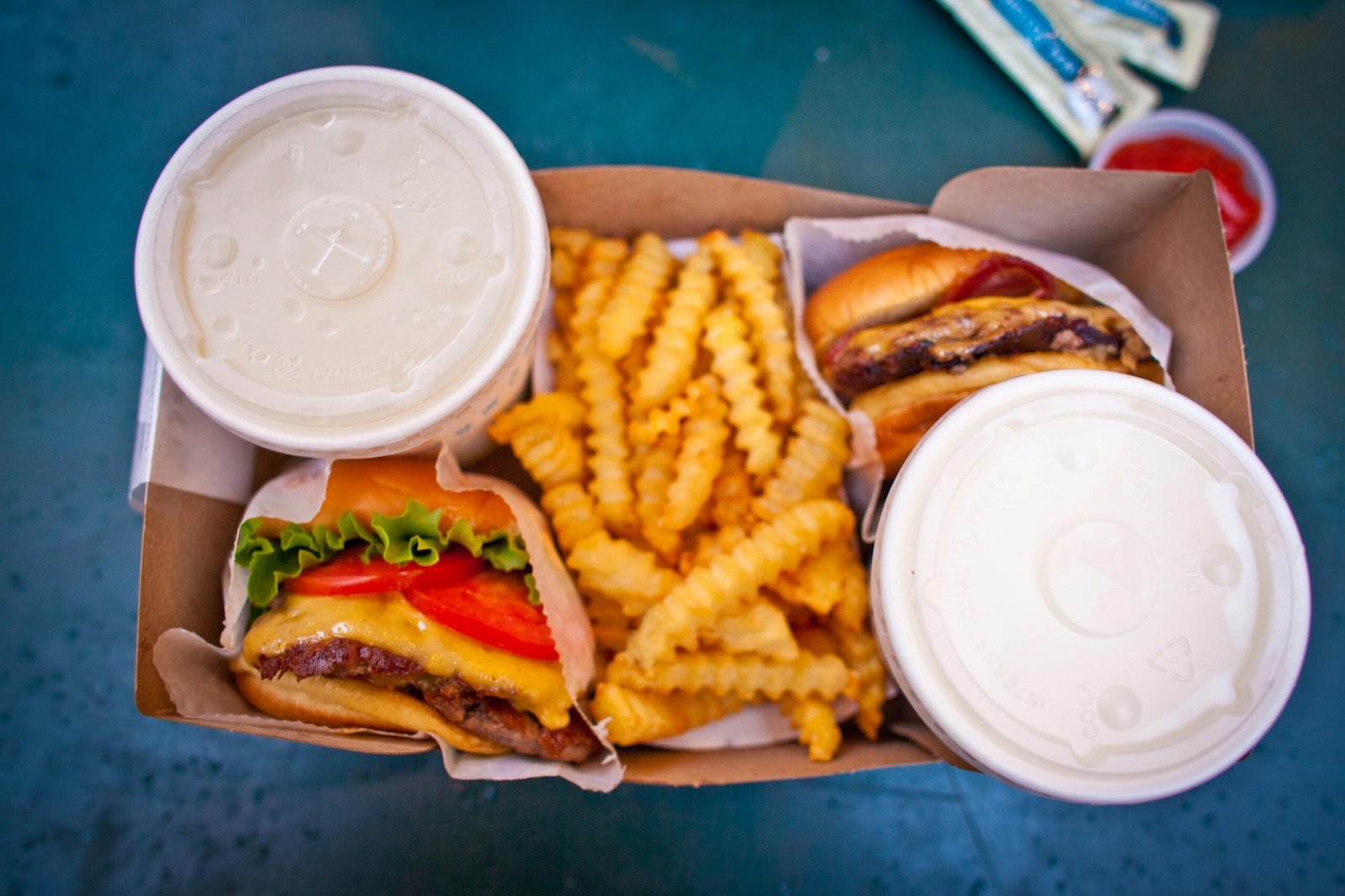
Opening a Quick Service Restaurant (QSR) franchise can be a lucrative and rewarding business venture. With the ever-increasing pace of life, the demand for fast and convenient food options continues to grow. However, choosing the right QSR franchise to invest in is critical for success. This comprehensive guide explores the best QSR franchises to open in 2024, backed by real case studies, industry statistics, and practical insights for both seasoned food service business owners and aspiring entrepreneurs.
Table of Contents
1. Introduction to QSR Franchising
– What is a QSR Franchise?
– Benefits of Investing in a QSR Franchise
– Key Considerations Before Investing
2. Top QSR Franchises to Open
– McDonald’s
– Chick-fil-A
– Subway
– Taco Bell
– Dunkin’
– Domino’s Pizza
3. Case Studies
– Success Story: McDonald’s
– Transformational Journey: Chick-fil-A
– Subway’s Global Expansion
– Taco Bell’s Innovative Marketing
– Dunkin’s Rebranding Success
– Domino’s Digital Transformation
4. Industry Statistics and Trends
– Market Growth
– Consumer Preferences
– Technological Advancements
– Sustainability Trends
5. How to Choose the Right QSR Franchise
– Assessing Initial Investment and Ongoing Costs
– Understanding Franchise Agreements
– Evaluating Support and Training Programs
– Analyzing Market Potential and Competition
1. Introduction to QSR Franchising
What is a QSR Franchise?
A Quick Service Restaurant (QSR) franchise is a fast-food business model where the franchisee buys the rights to operate a restaurant under the brand name of an established company. QSRs are characterized by their fast service, limited menus, and affordable prices.
Benefits of Investing in a QSR Franchise
– Brand Recognition: Leveraging the brand equity of an established franchise can attract customers quickly.
– Proven Business Model: Established operational procedures reduce the risk of failure.
– Training and Support: Franchisees benefit from comprehensive training and ongoing support from the franchisor.
– Marketing and Advertising: National and regional advertising campaigns drive customer traffic.
Key Considerations Before Investing
– Initial Investment: Understand the total cost, including franchise fees, equipment, and real estate.
– Royalty Fees: Ongoing fees paid to the franchisor, usually a percentage of sales.
– Market Research: Analyze the local market demand and competition.
– Franchisee Responsibilities: Be prepared for the day-to-day management and operational responsibilities.
2. Top QSR Franchises to Open
McDonald’s
McDonald’s is a global leader in the fast-food industry, with over 38,000 locations worldwide. Known for its iconic golden arches, McDonald’s offers a wide range of menu items, from burgers and fries to salads and smoothies.
Initial Estimated Start-Up Cost: $1,366,000 to $2,450,000
Breakdown:
- Franchise Fee: $45,000
- Building and Site Development: $1,000,000 to $1,900,000
- This includes costs for construction, leasing, and site preparation.
- Equipment and Decor: $160,000 to $725,000
- This covers kitchen equipment, seating, signage, and decor.
- Miscellaneous Costs: $85,000 to $235,000
- Includes pre-opening expenses, insurance, and initial marketing.
- Initial Inventory: $20,000 to $35,000
- Costs for the initial stock of food and supplies.
Royalty and Additional Fees
- Royalty Fee: 4% of monthly gross sales
- Service Fee: 4% of monthly gross sales
- Advertising Fee: 4% of monthly gross sales
Pros:
– Strong brand recognition
– Sales guaranteed from day one
– Extensive training and support
– Innovative menu offerings
Cons:
– High initial investment
– Competitive market
Chick-fil-A
Chick-fil-A is renowned for its exceptional customer service and high-quality chicken sandwiches. With over 2,600 locations in the U.S., it has a loyal customer base and a reputation for community involvement.
- Initial Estimated Start-Up Cost: $10,000
-
- Breakdown:
- Franchise Fee: $10,000
- Chick-fil-A retains ownership of the real estate and equipment.
- Royalty Fee: 15% of sales plus 50% of pretax profit remaining
- Breakdown:
Pros:
– Strong brand loyalty
– High customer satisfaction
– Closed on Sundays policy attracts values-driven customers
Cons:
– Limited international presence
– Strict franchising criteria
Subway
Subway, with over 40,000 locations globally, is the world’s largest submarine sandwich chain. It offers a healthier fast-food alternative with customizable sandwiches and salads.
-
- Initial Estimated Start-Up Cost: $207,050 to $476,900
- Breakdown:
- Franchise Fee: $15,000
- Equipment: $85,000 to $180,000
- Real Estate: $100,000 to $200,000
- Initial Inventory: $7,500 to $15,000
- Royalty Fee: 8% of gross sales
Pros:
– Low initial investment
– Flexibility in location size
– Health-conscious menu options
Cons:
– Recent brand challenges
– High competition in the sandwich segment
Taco Bell
Taco Bell, a subsidiary of Yum! Brands, is famous for its Mexican-inspired menu. With over 7,000 locations, Taco Bell is known for its innovative and bold menu items.
- Initial Estimated Start-Up Cost: $530,000 to $3 million
-
- Breakdown:
- Franchise Fee: $25,000 to $45,000
- Equipment: $150,000 to $250,000
- Real Estate: $300,000 to $1.2 million
- Initial Inventory: $5,000 to $10,000
- Royalty Fee: 5.5% of gross sales
- Breakdown:
Pros:
– Strong marketing campaigns
– Diverse menu
– Growth in international markets
Cons:
– High initial investment
– Operational complexity
Dunkin’
Dunkin’, previously known as Dunkin’ Donuts, offers a wide range of coffee and baked goods. With over 11,300 locations worldwide, Dunkin’ is a leader in the coffee QSR segment.
- Initial Estimated Start-Up Cost: $395,500 to $1.6 million
-
- Breakdown:
- Franchise Fee: $40,000 to $90,000
- Equipment: $90,000 to $200,000
- Real Estate: $150,000 to $600,000
- Initial Inventory: $5,000 to $10,000
- Royalty Fee: 5.9% of gross sales
- Breakdown:
Pros:
– Strong morning sales
– Diverse product offerings
– Effective rebranding strategy
Cons:
– High competition in the coffee space
– Operational hours can be demanding
Domino’s Pizza
Domino’s Pizza, with over 17,000 locations globally, is a leader in the pizza delivery market. Known for its efficient delivery system and innovative technology, Domino’s continues to grow rapidly.
- Initial Estimated Start-Up Cost:
- The estimated start-up cost for a Domino’s franchise ranges from $119,950 to $461,700. This includes expenses such as the franchise fee, real estate, equipment, and initial inventory.
- Breakdown:
- Franchise Fee: $10,000 to $25,000
- Equipment: $50,000 to $200,000
- Real Estate: $0 to $100,000
- Initial Inventory: $20,000 to $30,000
- Royalty Fee:
- The royalty fee for a Domino’s franchise is 5.5% of weekly gross sales.
Pros:
– Strong digital presence
– Efficient delivery model
– Innovative marketing
Cons:
– High initial investment
– Intense competition in the pizza market
What Can You Learn From These Franchise Success Stories?
McDonald’s
McDonald’s success story is a testament to the power of franchising. Ray Kroc, who joined the company in 1954, transformed McDonald’s into a global powerhouse. With a focus on consistency and efficiency, McDonald’s revolutionized the fast-food industry.
Key Takeaways:
– Standardized operations ensure quality and consistency.
– Strategic location selection drives high foot traffic.
– Continuous innovation in menu and technology keeps the brand relevant.
Chick-fil-A
Chick-fil-A’s journey from a small diner to one of the largest QSR chains in the U.S. is inspiring. Founder Truett Cathy emphasized quality and customer service, creating a loyal customer base.
Key Takeaways:
– Emphasis on quality ingredients and customer service builds brand loyalty.
– Community involvement and charitable initiatives enhance brand reputation.
– Closed on Sundays policy creates a unique brand identity.
Subway’s Global Expansion
Subway’s rapid global expansion is a remarkable case study. From its humble beginnings in 1965, Subway now operates over 40,000 locations worldwide, offering a healthier fast-food alternative.
Key Takeaways:
– Customizable menu appeals to health-conscious consumers.
– Flexible store formats allow for diverse location options.
– Strong global brand recognition drives international growth.
Taco Bell’s Innovative Marketing
Taco Bell’s innovative marketing campaigns have been key to its success. Known for its edgy and bold advertisements, Taco Bell attracts a younger demographic with its creative approach.
Key Takeaways:
– Innovative marketing strategies resonate with younger audiences.
– Bold menu offerings keep the brand exciting and relevant.
– Strategic use of social media amplifies brand presence.
Dunkin’s Rebranding Success
Dunkin’s successful rebranding from Dunkin’ Donuts to Dunkin’ showcases the power of strategic brand evolution. By focusing on coffee and beverages, Dunkin’ has expanded its customer base and increased market share.
Key Takeaways:
– Rebranding can rejuvenate a legacy brand.
– Diversifying product offerings attracts a broader customer base.
– Strategic partnerships and promotions drive customer engagement.
Domino’s Digital Transformation
Domino’s digital transformation has been a game-changer in the pizza industry. With a focus on technology and innovation, Domino’s has streamlined its operations and enhanced the customer experience.
Key Takeaways:
– Investment in technology improves operational efficiency.
– Robust online ordering system boosts sales.
– Creative marketing campaigns drive brand awareness.
4. Industry Statistics and Trends
Market Growth
The QSR industry is projected to continue its growth trajectory, driven by increasing consumer demand for convenience and fast service. According to Statista, the U.S. fast-food industry generated over $278.6 billion in revenue in 2021, with a steady annual growth rate.
Consumer Preferences
Consumers are increasingly seeking healthier and more diverse menu options. The trend towards plant-based and organic foods is influencing QSR menus, with many franchises introducing vegan and vegetarian options to cater to this demand.
Technological Advancements
Technology is revolutionizing the QSR industry. From mobile ordering and payment systems to delivery apps and AI-driven analytics, technology is enhancing the customer experience and streamlining operations.
Sustainability Trends
Sustainability is becoming a key focus for QSR franchises. Initiatives such as reducing single-use plastics, sourcing sustainable ingredients, and implementing energy-efficient practices are gaining traction. Consumers are increasingly choosing brands that align with their values on environmental responsibility.
5. How to Choose the Right QSR Franchise
Assessing Initial Investment and Ongoing Costs
Before investing, it is crucial to understand the total initial investment and ongoing costs associated with the franchise. This includes franchise fees, real estate costs, equipment, and inventory.
Understanding Franchise Agreements
Franchise agreements outline the rights and responsibilities of both the franchisor and franchisee. It is essential to thoroughly review and understand the terms, including royalty fees, advertising contributions, and renewal clauses.
Evaluating Support and Training Programs
A strong support and training program is critical for the success of a franchisee. Look for franchises that offer comprehensive initial training, ongoing support, and resources to help you succeed.
Analyzing Market Potential and Competition
Conduct a thorough market analysis to understand the local demand for the QSR brand and the level of competition. Assessing the market potential will help you determine the viability of the franchise in your chosen location.
Final Thoughts and Recommendations
Investing in a QSR franchise can be a rewarding venture, offering the potential for high returns and the satisfaction of running a successful business under a well-established brand. As we have seen, franchises like McDonald’s, Chick-fil-A, Domino’s, Taco Bell, Dunkin’, and Subway offer diverse opportunities with varying levels of investment and operational complexity.
Key Takeaways:
- McDonald’s stands out with its global recognition and proven operational model, but it requires a significant initial investment.
- Chick-fil-A offers a unique, low-cost entry but comes with strict operational guidelines and a unique profit-sharing model.
- Domino’s and Taco Bell provide strong support systems and innovative marketing strategies, ideal for those looking to benefit from robust brand presence and growth potential.
- Dunkin’ has a versatile product range that caters to diverse consumer preferences, making it a strong contender in the competitive coffee and baked goods sector.
- Subway provides a relatively low-cost entry point with a flexible format, but it is crucial to be aware of the high competition and recent brand challenges.
Recommendations for Aspiring Franchisees:
- Conduct Thorough Research: Before making any investment, delve deep into the financials, market potential, and competitive landscape. Understand the brand’s strengths, weaknesses, and overall market positioning.
- Assess Financial Commitment: Carefully evaluate the initial start-up costs, ongoing fees, and potential revenue to ensure you have a clear picture of the financial commitment required.
- Seek Professional Advice: Consult with financial advisors, franchise consultants, and legal experts to ensure that you make an informed decision and fully understand the franchise agreement terms.
- Leverage Franchisor Support: Utilize the training and support provided by the franchisor to maximize your chances of success. Engage with other franchisees and learn from their experiences.
- Focus on Customer Experience: Regardless of the franchise, prioritizing exceptional customer service and quality will help build a loyal customer base and drive long-term success.
By considering these factors and carefully selecting a franchise that aligns with your business goals and personal values, you can position yourself for success in the dynamic and growing QSR industry. Whether you choose the iconic McDonald’s, the customer-centric Chick-fil-A, or any other top-tier franchise, your commitment and strategic planning will be key to achieving your entrepreneurial dreams.
Investing in a QSR franchise is a significant decision, but with the right approach, it can lead to a thriving and profitable business. Take the time to explore your options, understand the financial implications, and align your choice with your personal and professional goals. The world of QSR franchising is full of opportunities, and with the right preparation, you can make a successful entry into this exciting industry.