
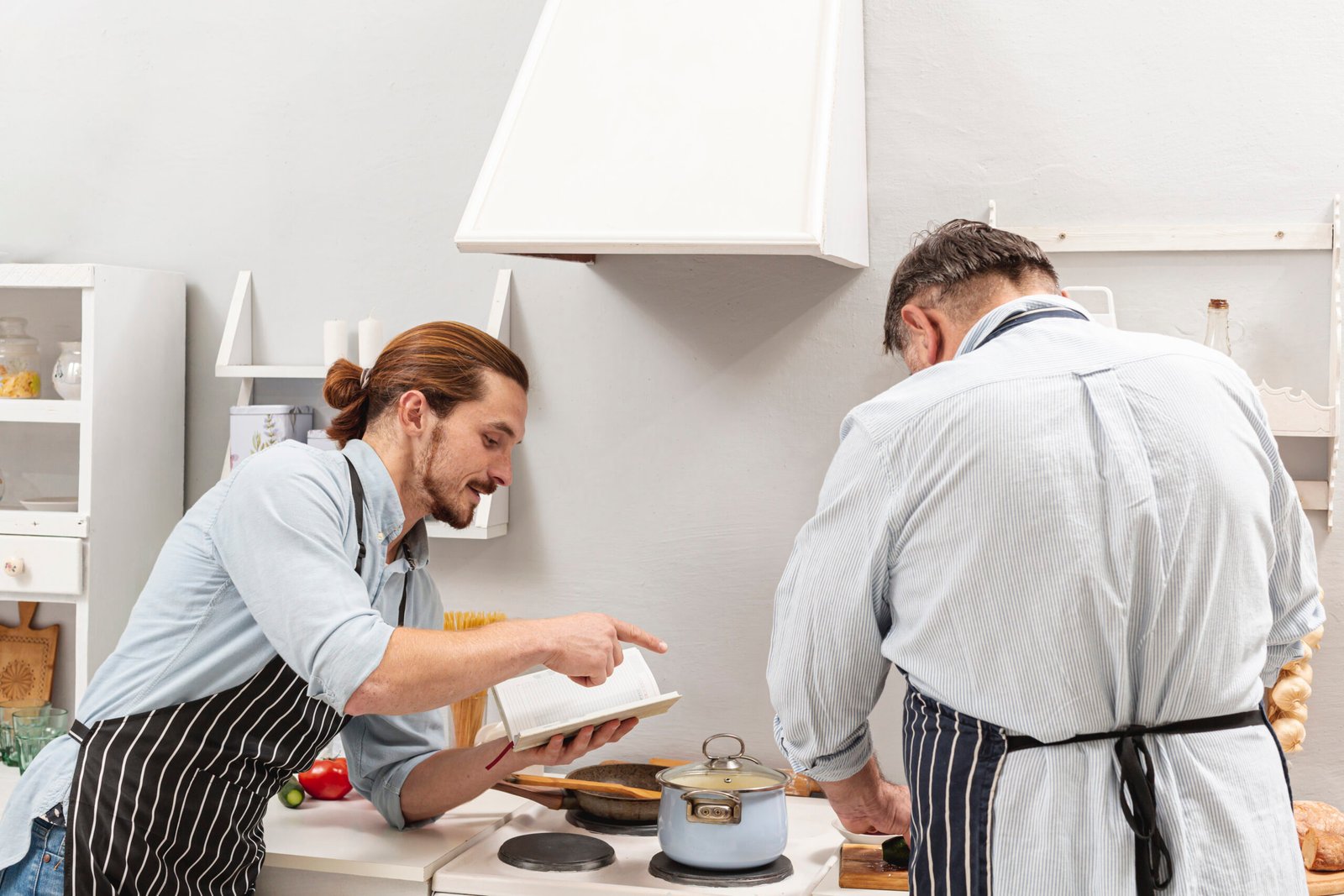
Modeeri is a Cairo-based operations management platform aimed at reducing food spoilage in restaurants. It offers inventory tracking, expiry alerts, and analytics. Therefore, it helps streamline kitchen operations and reduce losses in real time.
1. The Current Landscape of Food Spoilage in Egypt
1.1 Huge Amounts of Waste
Egypt discards 18 million tonnes of food annually. That equals nearly 30% of its population facing hunger emamngo
1.2 Restaurant Kitchens at Risk
Research in Alexandria found kitchens discard 4–10% of purchased food jaauth.journals. Food loss along the wheat chain in Egypt remains high mdbi
1.3 Economic and Environmental Impact
Globally, food waste costs about US $1 trillion per year. Egypt suffers similar losses. Waste also causes methane emissions contributing to 8% of national greenhouse gases emamngo
2. Why Restaurants Lose So Much
2.1 Poor Inventory Management
Without proper tracking, produce spoils in storage. Over-ordering leads to waste. Inventory systems help buy only needed quantities.
2.2 Plate Waste and Buffet Mismanagement
Buffets generate high waste. Hilton in the UAE reduced breakfast waste by 76% using AI-scale tools
2.3 Lack of Monitoring Tools
Many Egyptian restaurants still use pen-and-paper. Data remains incomplete. Decision-making lacks accuracy.
3. The True Cost of Spoilage for Your Restaurant
3.1 Direct Financial Loss
If 5% of purchases are wasted, a restaurant spending EGP 300,000 monthly loses EGP 15,000 ($480) per month. That’s EGP 180,000 annually.
3.2 Hidden Costs
Spoilage ties up cash flow. It increases purchases. It inflates disposal fees. It forces menu price hikes—driving away customers.
3.3 Opportunity Cost
Money spent on waste could be reinvested in staff, marketing, or upgrades. Reduced spoilage also boosts sustainability credentials.
4. Monitoring: Your Shield Against Spoilage
4.1 Step 1 – Inventory Tracking
Implement digital inventory monitoring. Include data on purchase date, quantity, and expiry. Modeeri and regional apps support barcode scanning and expiry alerts.
4.2 Step 2 – Waste Logging
Log every discard item: type, date, weight, reason. SmartKitchen developed a waste tracker that monitors kg wasted and CO₂ impact
4.3 Step 3 – Waste Analysis
Use software dashboards to find spoilage hotspots. Identify trends in overstocking or single-use items. LeanPath’s AI tool halves waste via real-time alerts xenia.team.
4.4 Step 4 – Process Improvement
Train staff. Define standard portion sizes. Adjust purchasing schedules. AI systems like Winnow automatically identify recurring waste .
4.5 Step 5 – Reporting & Accountability
Create weekly/monthly reports. Share insights with team. Use reports to adapt menus or change storage procedures.
4.6 Step 6 – Donation & Sustainability
Redistribute surplus food. Egypt’s Food Bank redistributed 12 million meals in 2022 emamngo Compost organic waste. Convert it to energy—like Alexandria’s biogas plant processing 500 tonnes daily emamngo
5. Software Solutions Worth Considering
| Name | Description | Regional Presence | Key Features |
|---|---|---|---|
| Modeeri | Cairo-based ops platform | Egypt | Ops management, analytics |
| Xenia | Operational toolkit | US | Waste + temperature sensors |
| LeanPath | AI food-identification | US, global | Waste halved via AI analytics |
| SmartKitchen | Waste tracker + scale | Europe | Carbon footprint metrics |
| Winnow | AI-scale waste camera | UAE, global | Realtime waste identification |
| Apicbase | Inventory + recipe + waste | EU + US | Controls ingredients across menu |
For Egyptian restaurants, Modeeri integrates local needs. Others like Xenia and LeanPath provide strong cross-regional support.
6. Real-World Success Stories
6.1 Hilton UAE with Winnow
Recovered 76% pre-consumer, 55% post-consumer waste in buffets xenia.
6.2 SmartKitchen Users
Cut food waste cost using kg & carbon dashboards therestauranthq
6.3 LeanPath Clients
Restaurants halved waste through AI alerts and staff training xenia
7. Step-by-Step to Implement Monitoring
-
Assess Current State
Log past receipts and waste. Quantify approximate waste in kg and cost terms. -
Select Software
Evaluate Modeeri and other options. Request trials. -
Install Tools & Sensors
Place scales and barcode scanners. Automate expiry tracking. -
Train Staff
Teach logging procedures and portion control. Promote consistent data entry. -
Begin Pilot
Run platform for 4–6 weeks. Monitor trends. -
Analyse & Adjust
Identify top-waste categories. Modify portions and recipes. -
Scale System-Wide
Roll out across branches. Standardize procedures using software checklists. -
Engage with Community
Launch donation programs. Publicize sustainability gains to diners.
8. Why This Saves You Money (Summary)
-
Lower purchase costs: less spoilage means lower input spend.
-
Reduced waste disposal fees: organic waste is costly to remove.
-
Enhanced sustainability: less waste, better PR, align with regulations.
-
Staff accountability: systems enforce habits and reduce errors.
Why Modeeri Is Essential to Prevent Food Spoilage Losses
Managing multiple locations can be challenging, but software solutions like Modeeri make it seamless. Designed by experienced operators, Modeeri is the ultimate tool to streamline operations and ensure consistency across your entire chain.
With robust features such as checklist management, temperature monitoring, organized document storage, automated training programs, and label management, Modeeri empowers your team to maintain top performance, even when you’re not onsite.
Tailored for multi-location businesses with deskless teams, Modeeri simplifies onboarding, enhances compliance, and ensures every location operates to your high standards. Learn more or try Modeeri for free today!y
Image by Freepik