
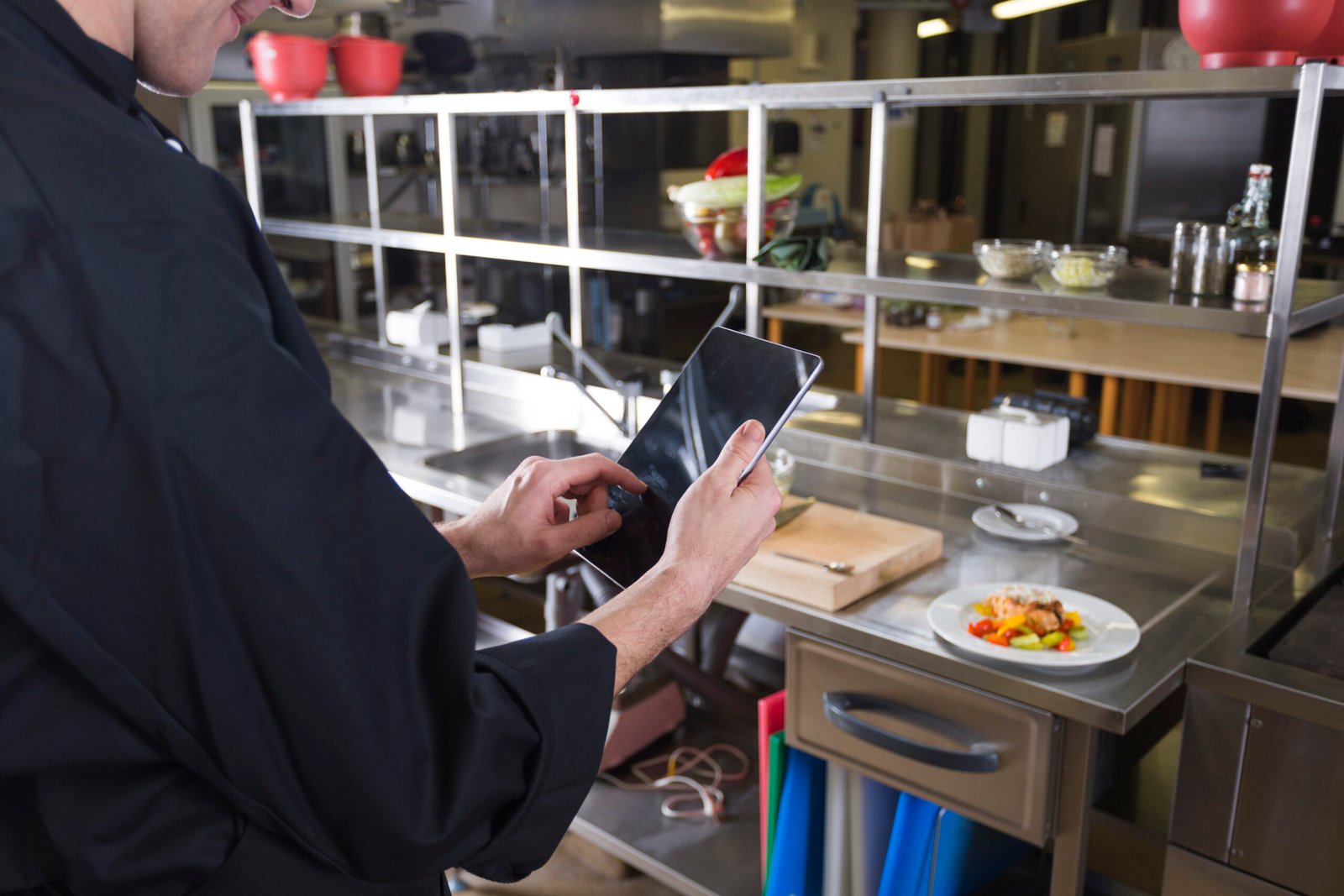
In today’s fast-paced restaurant industry, efficiency is key to success. Automating daily operations can significantly reduce manual labor, improve accuracy, and allow you to focus on enhancing customer experience. This comprehensive guide will walk you through the process of automating your restaurant’s operations, offering detailed steps, practical insights, and real-world data to help you implement these changes effectively.
Table of Contents
- Introduction
- Importance of Automation in the Restaurant Industry
- The Benefits of Automating Daily Operations
- Assessing Your Current Operations
- Identifying Areas for Automation
- Gathering Data on Existing Processes
- Choosing the Right Automation Tools
- Point of Sale (POS) Systems
- Inventory Management Software
- Reservation and Table Management Systems
- Employee Scheduling Software
- Implementing Automation in Daily Operations
- Automating Order Processing
- Streamlining Inventory Management
- Enhancing Customer Experience with Automation
- Improving Employee Management
- Training Your Staff
- Preparing Your Team for Automation
- Offering Continuous Support and Training
- Monitoring and Optimizing Your Automated Processes
- Tracking Performance Metrics
- Making Data-Driven Adjustments
- The Future of Restaurant Automation
- Emerging Trends in Restaurant Automation
- How to Stay Ahead of the Competition
- Conclusion
- Transforming Your Restaurant with Automation
- Continuous Improvement for Long-Term Success
1. Introduction
Importance of Automation in the Restaurant Industry
The restaurant industry is undergoing a significant transformation as automation technologies become more accessible and sophisticated. According to a study by the National Restaurant Association, 78% of restaurant operators believe that automation and technology will be critical to their future success. As competition intensifies and customer expectations rise, automating daily operations is no longer optional—it’s a necessity.
The Benefits of Automating Daily Operations
Automation offers numerous benefits, including increased efficiency, reduced labor costs, improved accuracy, and enhanced customer satisfaction. A report by McKinsey & Company highlights that restaurants that embrace automation can reduce their operational costs by up to 30%. Additionally, automation allows restaurant owners to make data-driven decisions, leading to better resource management and a more streamlined operation.
2. Assessing Your Current Operations
Identifying Areas for Automation
Before diving into automation, it’s crucial to assess your current operations and identify areas that can benefit most from automation. Start by mapping out all your daily processes, from inventory management to order processing and customer service. Look for tasks that are repetitive, time-consuming, or prone to human error.
Action Steps:
- Conduct a thorough audit of your daily operations.
- Identify tasks that are repetitive or have a high margin for error.
- Prioritize areas that can have the greatest impact when automated.
Gathering Data on Existing Processes
Collecting data on your existing processes is essential for making informed decisions about automation. This data will help you understand where inefficiencies lie and how automation can address them. For example, track the time it takes to process orders, manage inventory, or schedule staff.
Action Steps:
- Use simple software tools like Modeeri to collect data on key processes.
- Analyze this data to identify bottlenecks and inefficiencies.
- Use this information to guide your automation strategy.
3. Choosing the Right Automation Tools
Selecting the right tools is critical to successful automation. There are several key areas where automation can make a significant difference in your restaurant’s operations.
Operations Management System
The right operations management software will allow you to ensure your daily operations run like clockwork no matter what the circumstances are.
Modeeri is the #1 best solution to streamline your entire kitchen operations and make sure that you achieve consistent results, day in and day out. With battle-tested features ranging from checklist management, incident logging & resolution, production planning, kitchen auditing, employee evaluations, document storage, training, onboarding, and much more, your staff gets things done just like when you’re there, even when you’re not.
Point of Sale (POS) Systems
A robust POS system is the backbone of restaurant automation. Modern POS systems do more than just process transactions—they integrate with inventory management, track sales data, and even manage customer loyalty programs. According to a report by Grand View Research, the global market for POS software is expected to reach $29.09 billion by 2027, underscoring its importance in the industry Source.
Top POS Systems:
- Toast: Known for its ease of use and comprehensive features, Toast is a popular choice among restaurant owners. It integrates seamlessly with other restaurant management tools, making it a powerful solution for automating daily operations Source.
- Square: Square’s POS system is highly customizable and offers features like online ordering, inventory management, and detailed sales reporting Source.
- Lightspeed: Ideal for larger restaurants, Lightspeed offers advanced inventory management and customer relationship management (CRM) tools Source.
Inventory Management Software
Managing inventory is one of the most challenging aspects of running a restaurant. Automation can help you keep track of stock levels in real-time, reduce waste, and ensure that you always have the right ingredients on hand. According to a study by the Food Waste Reduction Alliance, restaurants that automate their inventory management can reduce food waste by up to 50%.
Top Inventory Management Tools:
- MarketMan: This cloud-based software helps you track inventory in real-time, generate purchase orders automatically, and analyze food costs.
- Upserve: Upserve’s inventory management tool integrates with its POS system to provide real-time data on stock levels, helping you reduce waste and manage costs.
- Restaurant365: This tool offers comprehensive inventory management features, including automated ordering, recipe costing, and waste tracking.
Reservation and Table Management Systems
Automating your reservation and table management can significantly enhance the customer experience and improve efficiency. These systems allow customers to book tables online, reduce wait times, and optimize table turnover.
Top Reservation and Table Management Tools:
- OpenTable: A widely used platform that allows customers to make reservations online and helps you manage table assignments efficiently.
- Resy: Known for its user-friendly interface, Resy offers advanced features like automated waitlists and table management.
- Yelp Reservations: Yelp’s platform integrates with their review system, offering seamless online reservations and table management.
Employee Scheduling Software
Automating employee scheduling can save time, reduce scheduling conflicts, and ensure that you always have the right staff on hand. According to a report by the Workforce Institute, restaurants that use automated scheduling software experience a 26% reduction in scheduling errors.
Top Employee Scheduling Tools:
- 7shifts: Specifically designed for the restaurant industry, 7shifts offers features like shift scheduling, labor cost tracking, and team communication.
- When I Work: This tool simplifies scheduling and allows employees to swap shifts, request time off, and receive notifications about their schedules.
- HotSchedules: Known for its powerful scheduling features, HotSchedules also offers labor management tools to optimize staffing levels.
4. Implementing Automation in Daily Operations
Automating Order Processing
Order processing is a critical area where automation can greatly enhance efficiency. By integrating your POS system with online ordering platforms and kitchen display systems (KDS), you can streamline the entire process from order placement to preparation.
Action Steps:
- Integrate your POS system with online ordering platforms like Grubhub or Uber Eats.
- Implement a KDS to ensure that orders are displayed instantly in the kitchen, reducing the risk of errors and speeding up service.
- Use automated order tracking to keep customers informed about the status of their orders in real-time.
According to a report by Statista, the online food delivery market is expected to grow to $320 billion by 2029, highlighting the importance of optimizing order processing.
Streamlining Inventory Management
Automating inventory management is crucial for maintaining optimal stock levels, reducing waste, and minimizing costs. By using inventory management software, you can track inventory in real-time, generate automatic reorder alerts, and analyze consumption patterns.
Action Steps:
- Implement inventory management software that integrates with your POS system to track stock levels in real-time.
- Set up automatic reorder alerts to ensure you never run out of critical ingredients.
- Use data analytics to identify trends in consumption and adjust your ordering patterns accordingly.
According to a study by the National Restaurant Association, 70% of restaurants that automate inventory management report a significant reduction in food waste and operational costs.
Enhancing Customer Experience with Automation
Customer satisfaction is the cornerstone of a successful restaurant. Automating customer interactions, from reservations to feedback collection, can help you deliver a more personalized and efficient experience.
Action Steps:
- Implement a reservation management system that allows customers to book tables online and receive automated confirmations and reminders.
- Use CRM tools to track customer preferences and tailor their dining experience accordingly.
- Automate customer feedback collection to quickly identify areas for improvement.
A report by Deloitte found that 60% of customers are more likely to return to a restaurant that offers a personalized experience, highlighting the importance of leveraging automation to enhance customer satisfaction.
Improving Employee Management
Managing staff effectively is crucial for maintaining smooth operations. Automating employee scheduling, time tracking, and payroll can help you reduce administrative tasks, prevent scheduling conflicts, and ensure compliance with labor laws.
Action Steps:
- Use employee scheduling software to create optimized schedules based on staff availability, labor costs, and business needs.
- Automate time tracking and integrate it with your payroll system to ensure accurate and timely payments.
- Implement performance management tools to monitor employee performance and identify areas for improvement.
According to a survey by the Workforce Institute, restaurants that automate their employee management processes see a 20% reduction in labor costs and a 15% increase in employee satisfaction.
5. Training Your Staff
Preparing Your Team for Automation
Introducing automation can be a significant change for your staff, and it’s essential to prepare them properly. Training is key to ensuring that your team understands how to use the new systems and can leverage them to improve their work.
Action Steps:
- Organize training sessions to familiarize your staff with the new automation tools.
- Provide hands-on training and demonstrations to ensure that everyone is comfortable with the technology.
- Offer resources like user manuals, video tutorials, and access to customer support for ongoing assistance.
Offering Continuous Support and Training
Automation tools are constantly evolving, and it’s important to offer continuous training and support to your staff. This will help them stay updated on new features and best practices, ensuring that your restaurant continues to operate efficiently.
Action Steps:
- Schedule regular refresher training sessions to keep your team updated on new features and changes in the software.
- Encourage open communication and provide a platform for employees to ask questions and share feedback.
- Monitor the performance of your automated systems and address any issues promptly.
6. Monitoring and Optimizing Your Automated Processes
Tracking Performance Metrics
To ensure that your automated systems are delivering the desired results, it’s crucial to track key performance metrics. This will help you identify areas where further optimization is needed and make data-driven decisions to improve your operations.
Action Steps:
- Use your POS and inventory management systems to track metrics such as sales data, order processing times, and inventory turnover.
- Monitor customer satisfaction scores through automated feedback systems.
- Track employee performance metrics, including attendance, punctuality, and productivity.
A report by PwC highlights that businesses that use data analytics to monitor and optimize their operations see a 19% increase in efficiency and a 15% increase in profitability.
Making Data-Driven Adjustments
Automation is not a one-time solution—it requires continuous monitoring and optimization to ensure that it remains effective. By analyzing the data generated by your automated systems, you can identify areas for improvement and make informed decisions to enhance your operations.
Action Steps:
- Regularly review the data generated by your automated systems to identify trends and patterns.
- Make adjustments to your processes based on the insights gained from this data.
- Experiment with different strategies to optimize your operations and track the results.
7. The Future of Restaurant Automation
Emerging Trends in Restaurant Automation
The restaurant industry is rapidly evolving, and new automation technologies are constantly emerging. Staying ahead of these trends can give you a competitive edge and ensure that your restaurant remains efficient and profitable.
Key Trends:
- AI-Powered Chatbots: These tools can handle customer inquiries, take orders, and manage reservations, freeing up staff to focus on more complex tasks.
- Robotic Kitchens: Automated cooking and food preparation systems are becoming increasingly common, reducing the need for manual labor in the kitchen.
- Contactless Payments: As customers become more health-conscious, the demand for contactless payment options is growing, and automating this process can enhance the customer experience.
How to Stay Ahead of the Competition
To stay competitive in the rapidly changing restaurant industry, it’s essential to embrace automation and continuously look for ways to innovate. By staying informed about the latest trends and technologies, you can ensure that your restaurant remains at the forefront of the industry.
Action Steps:
- Keep up with industry news and trends through reputable sources like the National Restaurant Association and QSR Magazine.
- Attend industry conferences and trade shows to learn about the latest automation technologies.
- Regularly review and update your automation strategy to ensure that it aligns with your business goals and industry trends.
How Can I Automate My Restaurant Quicker & Easier?
The good news is, there are software solutions that make automating your entire restaurant’s procedures as easy as 123. Modeeri is the #1 best solution to streamline your entire kitchen operations and make sure that you achieve consistent results, day in and day out.
Modeeri was built by kitchen operators, for kitchen operators. With battle-tested features ranging from checklist management, incident logging & resolution, production planning, kitchen auditing, employee evaluations, document storage, training, onboarding, and much more, your staff gets things done just like when you’re there, even when you’re not. Try Modeeri for free or learn more today! Happy Cooking!